Following Lorna Doone in Exmoor: A Literary Heritage Trail
A practical guide to the Exmoor places behind R. D. Blackmore's Lorna Doone, from Badgworthy Water to Oare...

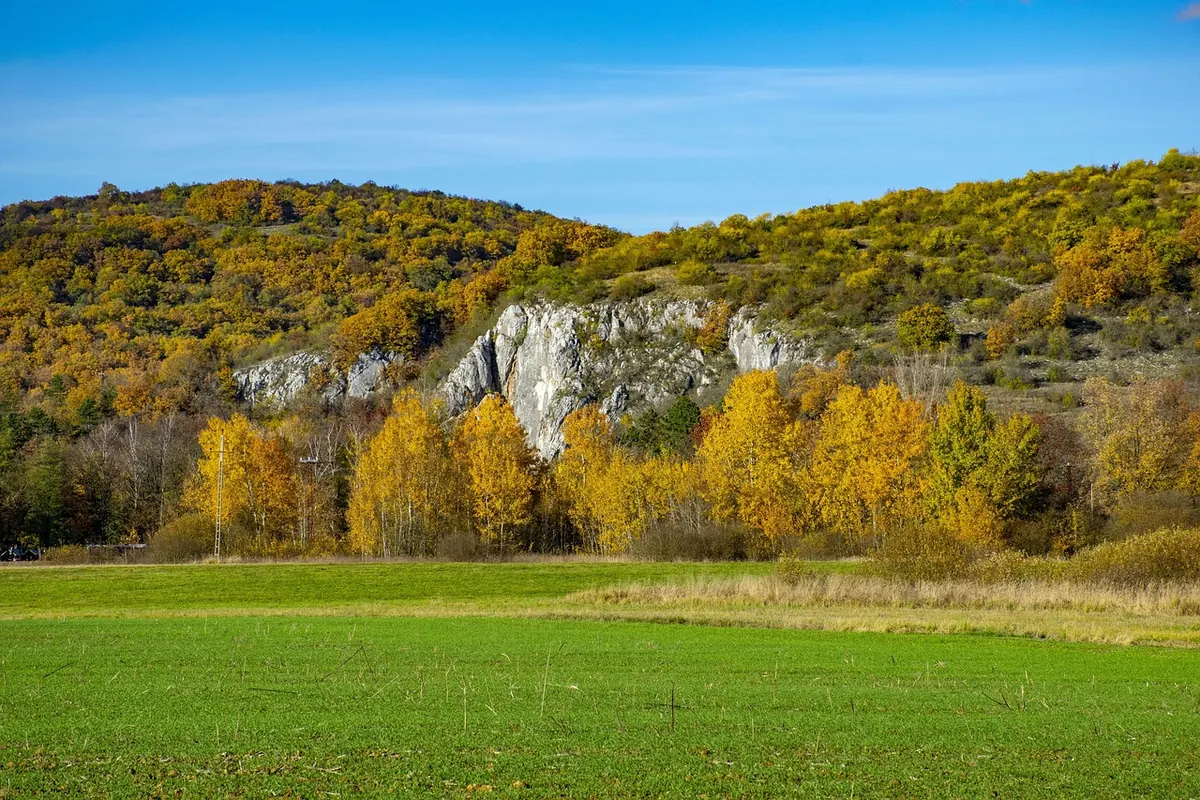
Cheddar Gorge and Wookey Hole sit only a few miles apart in the Mendips. Both are limestone caves you can walk straight into, both have been drawing visitors for generations, and both are easy day trips from Wells, Glastonbury or Bristol. That is roughly where the resemblance ends. One is a cave tucked into the bottom of a dramatic gorge, with a village strung along the road through it. The other is a cave with a small cluster of attractions built around its entrance. Choosing between them comes down to what your group actually enjoys doing on its feet.
If you want landscape — cliffs, viewpoints, a proper leg-stretch with a cave as one part of a bigger walk — Cheddar is the stronger day out. If you want something compact, focused and easy with children in tow, Wookey Hole is usually the simpler choice.
Cheddar rewards people who arrive early and don't mind steps. Wookey Hole rewards people who are happy for the cave to be the whole point, with distractions either side of it. Both work as half-day stops. Cheddar can fill a full day comfortably if the weather is kind.
Cheddar spreads its attractions out. You park in the village or at the gorge car park, then walk to Gough's Cave at one end, Cox's Cave nearer the middle, and Jacob's Ladder — the long, steep flight of steps cut into the cliff — if you want the view from the top. The showcaves themselves have largely level walkways, but Cox's Cave in particular has narrow, stepped passages and is presented as an illuminated multimedia experience rather than a plain cave tour. Jacob's Ladder and the cliff-top path are the real test: the climb is sustained, and the gorge walk along the top is uneven underfoot.
Wookey Hole is more compact. You follow a set route through the cave, mostly level but with a stretch of steps, and the rest of the site — the old mill buildings, paper-making displays and family attractions — sits on the same footprint. There is far less walking between one thing and the next. For anyone with a pushchair, a wheelchair, or a knee that complains on hills, Wookey Hole is generally the more manageable of the two. Still ask about step-free access when you book, because cave paths change and individual sections occasionally close.
Wookey Hole is built with younger children in mind. The witch legend runs through the tour, the cave is brightly lit and easy to follow, and the wider site adds things like a dinosaur-themed walk, a mirror maze and paper-making displays. A five-year-old who has had enough of stalactites can be redirected without anyone having to walk far.
Cheddar suits older children and teenagers better. There is climbing and walking to burn off energy, the gorge itself is genuinely impressive, and the village gives you ice cream and cheese shops as bargaining chips. Younger children can find the steps wearying, and the darker, quieter stretches of a cave can unsettle a nervous four-year-old. Parents of small children should plan Cheddar as a morning, not an afternoon.
Both sites sit in the same Carboniferous limestone, laid down as shell and sediment in a warm sea long before the Mendips were pushed up. After that, their stories diverge.
Cheddar Gorge is a dry valley. The water that carved it now runs underground, and the gorge itself was shaped by meltwater and erosion working along cracks and joints in the rock. It is often described as England's largest gorge. You appreciate the scale from outside: the bedding planes, the fissures, the cave mouths opening at the base of the cliffs.
Wookey Hole is the opposite experience. It is an active cave, with the River Axe still running through it. You hear water before you see it, and the route ends where the river resurges into daylight. It feels wetter, tighter and more alive. If you like the idea of water still doing the work, go to Wookey. If you want to see the shape of what water has already done, go to Cheddar.
Cheddar's headline exhibit is human. Gough's Cave produced Cheddar Man, one of the oldest complete human skeletons found in Britain, discovered in the early 1900s and roughly nine thousand years old. The same cave system has yielded evidence of long occupation, including marks on human bone that archaeologists have debated for decades. Add the village's Anglo-Saxon royal connections and its later fame for cheese, and you have several thousand years of story in one small parish.
Wookey Hole trades in legend. The Witch of Wookey is a stalagmite said to resemble a petrified woman, explained by a tale of a spurned witch turned to stone by a monk from Glastonbury. Behind the story lies real archaeology: excavations in the cave in the early twentieth century uncovered Roman and prehistoric material, and the mill buildings recall a long history of papermaking on the site. The cave also has a serious modern reputation among cave divers, who have explored its flooded chambers for generations.
Book online during school holidays; both sites get busy and timed entry is common. At Cheddar, arrive at opening if you want a parking space near the gorge rather than a long walk uphill before you have started. Wear shoes with grip at either site — cave floors are damp and polished by thousands of feet, and the gorge paths are loose in places. Take a light jacket even in August, since cave temperatures sit around ten degrees.
If anyone in your party has access needs, ring ahead rather than relying on a website: ask specifically about steps, handrails, and whether the route can be shortened. And if you are combining a visit with the wider Mendips, Ebbor Gorge and the cathedral at Wells are both close by and make a natural second stop.
Photo: Móricz / Pixabay
A practical guide to the Exmoor places behind R. D. Blackmore's Lorna Doone, from Badgworthy Water to Oare...
A three-hour plan for Wells Cathedral's highlights, from the west front to the chapter house, plus...
A step-by-step walking route through Dunster's castle, Yarn Market, watermill and old streets, with the...